The Illusion of Linearity is a Photographic Paradox
The Illusion of Linearity
"The human mind, a marvel of complexity and fallibility, constructs intricate narratives to comprehend the universe."
Complex but Fallible?
The human mind, a complex and fallible instrument, constructs elaborate narratives to make sense of the universe. Central to these narratives is the concept of time, a construct that has puzzled philosophers and scientists for millennia. Traditionally, we perceive time as linear, an unidirectional progression from past to present to future. However, this perspective, though intuitive, might be an oversimplification of reality.

Catalyst for the Casual Observer
A pair of photographs, separated by a decade, serve as a poignant catalyst for this exploration. To the casual observer, they depict a subject undergoing the expected transformations of aging: physical changes, alterations in appearance. Yet, this linear interpretation may obscure a deeper, more enigmatic truth.
If these images are examined through the lens of a Spiral Timeline, a theoretical framework that posits time as a cyclical, rather than linear, progression, a radically different interpretation emerges. The Spiral Timeline challenges the conventional understanding of time as a straight line. Instead, it envisions time as a helix, constantly coiling and expanding. In this model, past, present, and future are not distinct points but overlapping segments of a continuous loop. Consequently, an event occurring ten years ago in Linear Time could potentially be simultaneous or even subsequent on the Spiral Timeline. The notion of before and after becomes blurred, replaced by a more fluid and interconnected conception of temporality.
"The Spiral Timeline challenges the conventional understanding of time as a straight line. Instead, it envisions time as a helix, constantly coiling and expanding."
Merlinbee
Tweet
This temporal fluidity is further compounded by the nature of human perception. Our memories, the building blocks of our personal narratives, are inherently subjective and malleable. The past, as we recall it, is a reconstruction, filtered through the lens of our present experiences and emotions. Consequently, the "past" in Linear Time is, in essence, a mental construct, a projection of our minds onto the external world. Similarly, the future is a product of imagination, a blueprint for potential realities that may or may not come to pass.
The illusion of Linear Time is further reinforced by cultural and societal structures. Our calendars, clocks, and time zones are all artifacts of a linear temporal framework. These constructs, while essential for coordinating human activities, obscure the underlying complexity of time. They create a sense of urgency, a relentless march forward, that can be both exhilarating and overwhelming.
Yet, beneath the surface of this linear illusion, there may exist a deeper, more profound reality. Perhaps the Spiral Timeline offers a more accurate representation of the true nature of time. If so, the two photographs, seemingly disparate in Linear Time, might be seen as interconnected points on a larger temporal continuum. They could represent different stages in a cyclical process of growth, decay, and renewal.

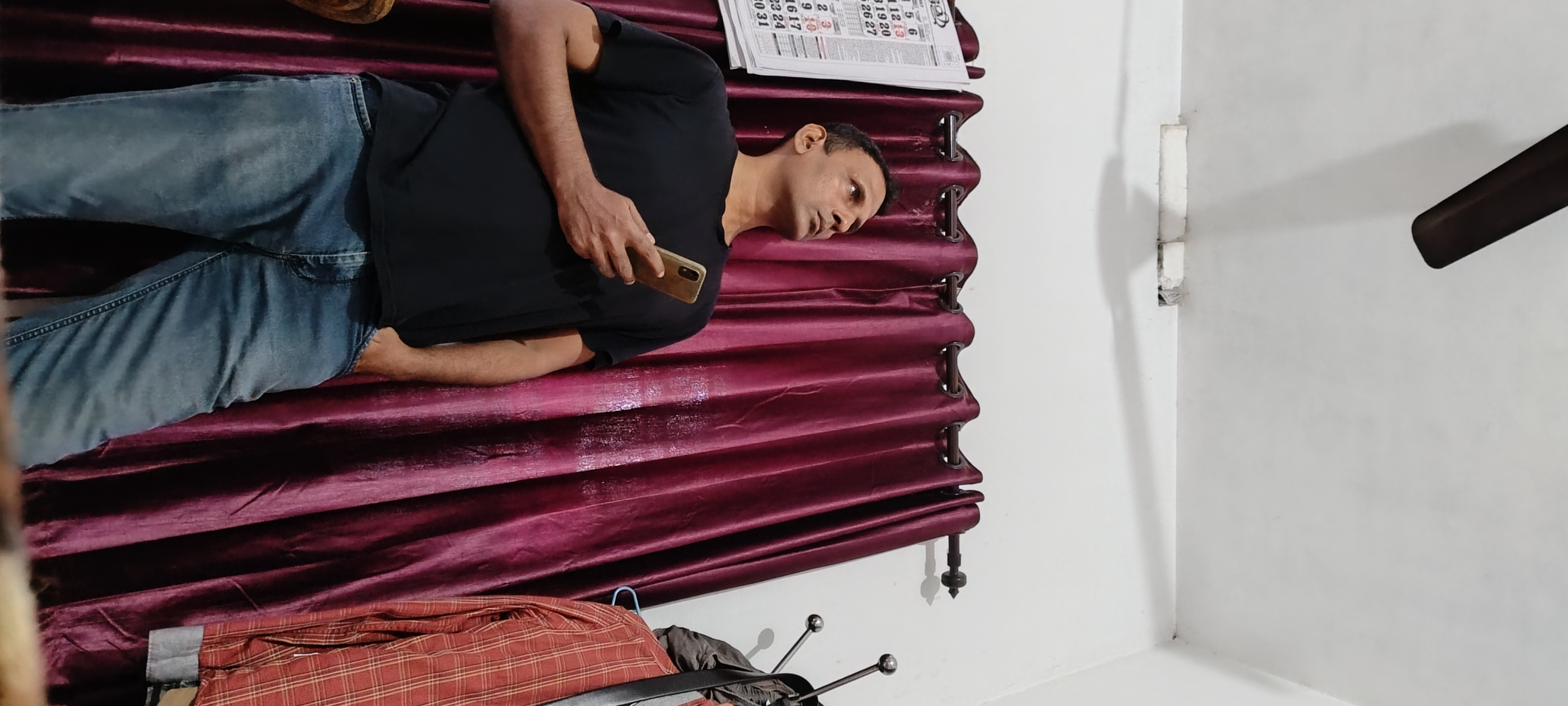

The concept of a "Spiral Cell Illusion" introduces an intriguing element into this exploration. This enigmatic term suggests a protective mechanism, a means of navigating the complexities of time and existence. It implies a consciousness that transcends the limitations of Linear Time, capable of perceiving and interacting with multiple temporal planes.
Thus, the two photographs serve as a portal into a deeper understanding of time. They challenge us to question our assumptions about the past, present, and future. By exploring the concepts of Linear and Spiral Time, we begin to glimpse the limitations of human perception and the potential for a more expansive view of reality. Ultimately, the true nature of time remains an elusive mystery, inviting further contemplation and exploration.
0 Comments
Be the first to leave a comment.
Leave a Comment