Escape from Nowhere to Everywhere
The Echoes of Escape: A Spiral of History on the Ghats
High on the rocky plateau, the wind whispers tales of a bygone era. Here, time seems to fold in on itself, existing not as a linear progression, but as a vibrant spiral.
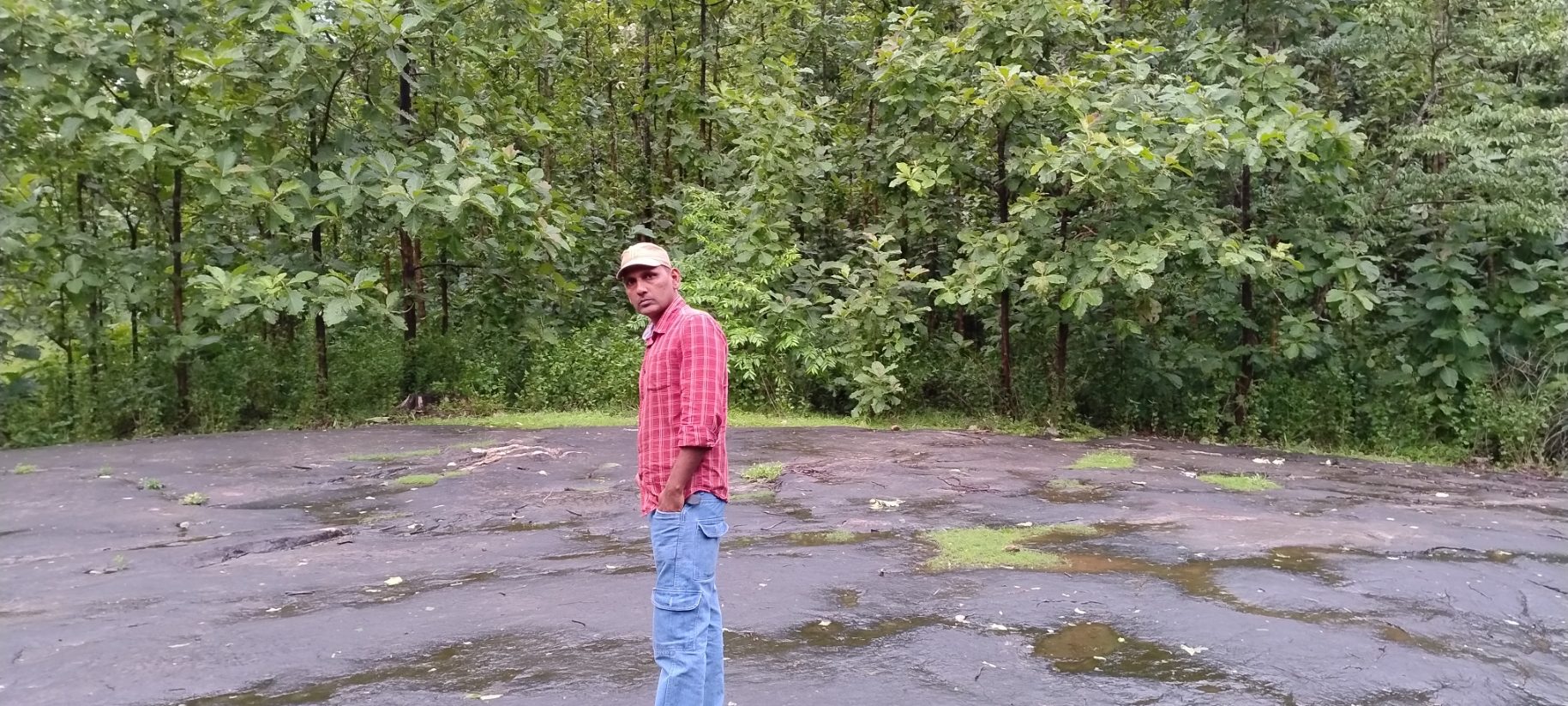
The past, though etched in the weathered rock, is not a dead relic, but a living thread woven into the fabric of the present.
History, while appearing linear in hindsight, unfolds in a complex, cyclical dance.
The evidence of this cyclical nature lies scattered across the plateau – remnants of a settlement built by Namboothiri families fleeing the wrath of Tipu Sultan centuries ago. Their escape, a desperate flight for survival, becomes a poignant symbol of the cyclical nature of conflict and displacement.
The human experience of seeking refuge from violence is etched across time.
The marks of settlement carved throughout the Western Ghats, a living testament to their resilience, is a sheer reminder of that age gone by.
The mountains, seemingly stoic witnesses, hold within them the stories of countless journeys – of escape from a ruthless invader, and migration to safer areas.
Each footstep on this ancient trail stirs the echoes of the past, blurring the lines between then and now.

The Namboothiri settlement itself, though physically gone, continues to resonate in the present. The markings on the rock, a silent language of a bygone era, speak of a life lived in a different time. They are a bridge connecting the present inhabitants to their predecessors, fostering a sense of connection and continuity.
This encounter with the past is not merely an intellectual exercise; it is a visceral experience. Standing on the plateau, one can almost feel the desperation of the fleeing families, the sting of the wind on their faces, the thrumming of fear in their hearts. The past ceases to be a collection of dates and facts, and transforms into a lived experience, a shared human story.
The spiral of history becomes apparent in this confluence of past and present. The escape of the Namboothiris is not an isolated event; it is a microcosm of the larger human narrative of conflict, resilience, and the enduring search for a safe haven. By recognizing this cyclical nature, we gain a deeper understanding of the present and a more nuanced perspective on the challenges we face today.
The plateau, then, becomes more than just a geographical location. It is a portal to a different time, a place where the past comes alive, reminding us that history is not a static picture, but a dynamic tapestry woven from the threads of countless lives. It is a call to listen to the whispers of the wind, to decipher the messages etched in stone, and to learn from the echoes of the past that reverberate in the present.
0 Comments
Be the first to leave a comment.
Leave a Comment